
Rotator Cuff Tear: Can It Heal on Its Own or Do You Need Surgery?
If you’ve been told you have a rotator cuff tear, or you’re dealing with persistent shoulder pain and wondering if that’s what it is, you’ve probably already searched some version of this question. It’s one of the most common things patients ask before their first appointment, and it deserves a straight answer.
The short answer: it depends on the type of tear. The longer answer involves understanding what’s actually happening in your shoulder, what your body can and can’t repair on its own, and what factors determine whether surgery is truly necessary.
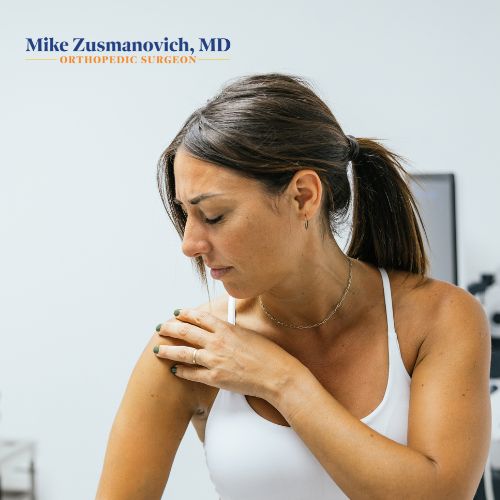
Rotator Cuff Treatment
Expert shoulder specialist in Commack. Dr. Mikhail Zusmanovich provides advanced rotator cuff treatment, offering both non-surgical and surgical solutions tailored to each patient’s needs.
What Is the Rotator Cuff?
The rotator cuff is a group of four muscles and their tendons that surround the shoulder joint. Together, they hold the ball of the upper arm bone (humerus) firmly within the shoulder socket and allow you to lift, rotate, and stabilize your arm. When one or more of these tendons is torn, even partially, it can significantly affect strength, range of motion, and everyday function.
Rotator cuff tears are extremely common, particularly in people over 40, overhead athletes, and anyone who performs repetitive shoulder movements. They can result from a sudden injury, such as a fall or lifting something heavy, or develop gradually over time due to wear and degeneration.
Partial Tears vs. Full-Thickness Tears: Why the Distinction Matters
Not all rotator cuff tears are the same, and the type of tear you have plays a significant role in determining your treatment path.
Partial tears occur when the tendon is damaged but not completely severed. The tendon is still attached and partially intact. Depending on the size and location of the tear, partial tears often respond well to conservative treatment, offering a real possibility of meaningful recovery without surgery.
Full-thickness tears (also called complete tears) occur when the tendon is torn all the way through, disconnecting it from the bone entirely. These tears do not heal on their own. Once a tendon is fully detached, the body cannot regenerate that connection without surgical repair. The question with full-thickness tears is not whether the tear will heal; it won’t, but rather whether surgery is the right choice for you at this point in time, given your age, activity level, and functional goals.
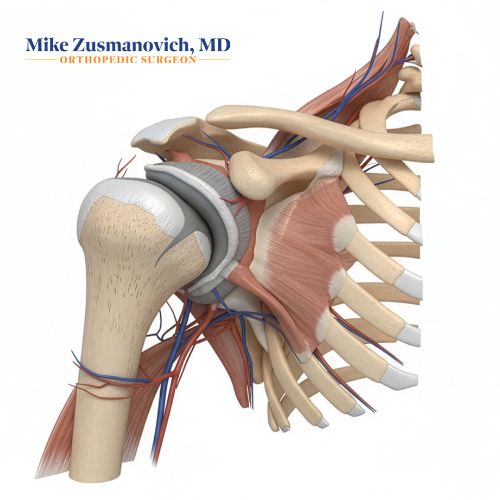
Can a Rotator Cuff Tear Heal Without Surgery?
This is where it gets nuanced, and where many patients receive incomplete information.
For partial tears: Yes, many partial rotator cuff tears can be managed successfully without surgery. The torn portion of the tendon won’t regenerate, but with the right treatment, the surrounding structures can compensate, inflammation can be reduced, and many patients regain significant strength and function. Conservative treatment for partial tears typically includes:
- Physical therapy to strengthen the muscles around the shoulder and improve mechanics
- Anti-inflammatory medications to manage pain and swelling
- Corticosteroid injections for short-term pain relief
- Activity modification to reduce further irritation
- Platelet-rich plasma (PRP) injections, which may support tissue healing in select cases
Many patients with partial tears live comfortably and actively without ever needing surgery, provided they commit to a structured rehabilitation program and address the underlying factors that contributed to the tear.
For full-thickness tears: Surgery is typically required to restore full function, particularly for active patients or those with significant weakness. However, not every complete tear needs to be repaired immediately. In older, less active patients with manageable symptoms, non-surgical management may be a reasonable long-term approach. The key is having an honest conversation with your orthopedic surgeon about your goals and the realistic level of function, with and without surgery.
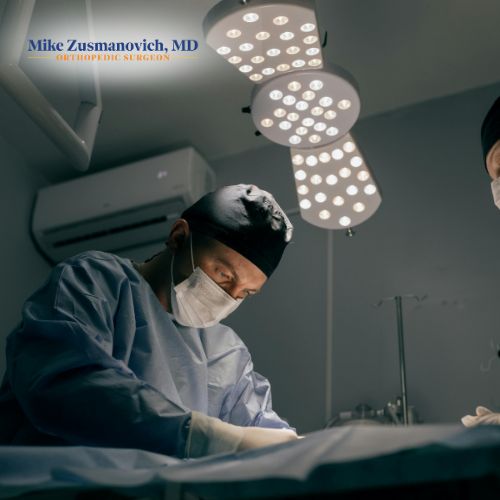
When Surgery Is the Right Choice
While conservative treatment is worth pursuing in many cases, there are situations where surgery is clearly the better path:
- The tear is large or complete, causing significant weakness or functional loss.
- Conservative treatment has failed after an adequate trial (typically 3–6 months)
- The tear occurred suddenly from a traumatic injury in an otherwise healthy tendon.
- You are an active person whose job, sport, or daily life demands full shoulder strength.
- The tear is progressing — getting larger over time despite non-surgical management.
Delaying surgery when it is clearly indicated can allow a tear to expand, cause the tendon to retract, and lead to muscle atrophy, making eventual repair more difficult and less successful. Timing matters.
What Does Rotator Cuff Surgery Involve?
Most rotator cuff repairs today are performed arthroscopically, through small incisions using a camera and specialized instruments, rather than open surgery. Arthroscopic repair is associated with less pain, faster recovery, and smaller scars compared to traditional open procedures.
During the procedure, the torn tendon is reattached to the bone using small anchors. The surgery is typically performed on an outpatient basis, meaning patients go home the same day.
Recovery from rotator cuff surgery requires patience. Most patients wear a sling for 4–6 weeks, begin physical therapy shortly after, and can expect to return to full activity between 4–6 months, depending on the size of the tear and the demands of their lifestyle.
Schedule a Consultation
If you’re dealing with shoulder pain, weakness, or a known rotator cuff tear and want an honest evaluation of your options, Dr. Zusmanovich is here to help. With convenient office locations serving patients throughout Long Island, getting the answers you need is straightforward.
Hear From Our Patients
Hear from athletes who have returned to peak performance after treatment with Dr. Zusmanovich.
Commack
🕒Hours
Mon: 9am-5pm
Tues: 9am-5pm
Wed: 9am-5pm
Thurs: 9am-5pm
Fri: 9am-5pm