
Arthroscopic Surgery: What It Is, How It Works, and What Recovery Looks Like
If you’ve been told you might need joint surgery — whether for the knee, shoulder, or hip — the term “arthroscopic surgery” has likely come up. For many patients, it’s the difference between a major open operation and a same-day, minimally invasive procedure that gets them home in hours instead of days.
But what exactly is arthroscopic surgery? How does it work? And what does recovery actually look like?
This guide walks through everything patients should know, from the science behind the procedure to recovery timelines for the most common joints, so anyone considering arthroscopic surgery can have a clear, honest understanding of what to expect.
What Is Arthroscopic Surgery?
Arthroscopic surgery, sometimes called arthroscopy or simply “scope surgery,” is a minimally invasive surgical technique used to diagnose and treat problems inside a joint.
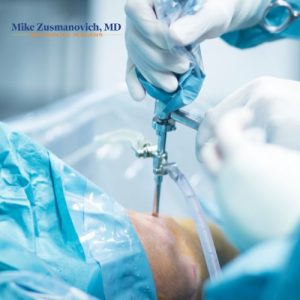
Instead of making a large incision to open the joint, an orthopedic surgeon makes a few small incisions, typically less than a quarter inch each, and inserts a tiny camera called an arthroscope. The camera projects a high-definition view of the joint’s interior onto a monitor, allowing the surgeon to see, evaluate, and repair the structures with remarkable precision.
Specialized surgical instruments are inserted through the other small incisions to perform the actual repair — trimming damaged cartilage, repairing torn ligaments or tendons, removing loose bodies, smoothing rough surfaces, or addressing impingement.
The result is the same surgical goal as a traditional “open” procedure, accomplished with significantly less tissue disruption, less pain, faster healing, and smaller scars.
How Arthroscopic Surgery Works
Arthroscopic surgery is typically an outpatient procedure, meaning patients arrive in the morning and go home the same day. Most surgeries take between 30 minutes and 2 hours, depending on the joint and the complexity of the repair.
Here’s what the process generally looks like:
1. Anesthesia. Depending on the joint and the patient’s health, the surgery may be performed under general anesthesia, regional anesthesia (such as a nerve block), or a combination of both. Many shoulder arthroscopies, for example, are done with a nerve block plus light sedation.
2. Small incisions (“portals”). The surgeon makes 2 to 4 small incisions around the joint — these are called portals. Each is roughly the size of a buttonhole.
3. Joint inflation. A sterile saline solution is introduced into the joint to gently expand the space, giving the surgeon a clearer view and more room to work.
4. Arthroscope insertion. The pencil-thin camera is inserted through one portal, projecting a magnified, high-definition view onto a surgical monitor.
5. Diagnosis and repair. The surgeon evaluates the joint structures in real time and performs the necessary repair using miniature instruments inserted through the other portals — anchors, sutures, shavers, and graspers designed specifically for arthroscopic work.
6. Closure. Once the repair is complete, the saline is drained, the instruments are removed, and the small incisions are closed with sutures or surgical strips. A dressing is applied, and the patient is moved to recovery.
The entire experience, from pre-op preparation to recovery room discharge, typically takes 4 to 6 hours.
The Most Common Arthroscopic Procedures
Arthroscopy is performed on many joints in the body, but the three most common are the knee, shoulder, and hip. Each addresses different conditions, but all share the same core advantages of the arthroscopic approach.
Knee Arthroscopy
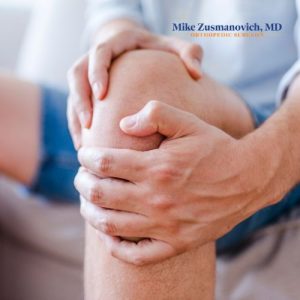
The knee is the most commonly arthroscoped joint in the body. Common arthroscopic knee procedures include:
- Meniscus repair or partial meniscectomy — repairing or trimming a torn meniscus, the C-shaped cartilage cushion between the femur and tibia
- ACL reconstruction — replacing a torn anterior cruciate ligament with a graft
- Articular cartilage repair — addressing damaged cartilage surfaces
- Loose body removal — taking out bone or cartilage fragments floating in the joint
- Plica removal — addressing the inflamed fold tissue
- Synovectomy — removing the inflamed joint lining
Knee arthroscopy is one of the most well-established orthopedic procedures, with decades of refinement behind it. For active patients with meniscus tears, ACL injuries, or cartilage damage, arthroscopic surgery is typically the gold standard.
Shoulder Arthroscopy
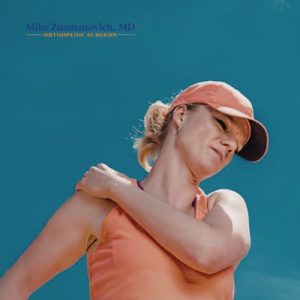
The shoulder’s complex anatomy makes it especially well-suited to arthroscopic techniques. Common arthroscopic shoulder procedures include:
- Rotator cuff repair — reattaching torn rotator cuff tendons to the bone
- Labrum repair — fixing tears in the cartilage rim of the shoulder socket (SLAP tears, Bankart tears)
- Subacromial decompression — creating more space for the rotator cuff to move freely
- Biceps tendon repair or release — addressing biceps tendon problems
- Shoulder stabilization — correcting instability from repeated dislocations
- Frozen shoulder release — releasing the joint capsule in cases of severe stiffness
- AC joint debridement — addressing arthritis or inflammation at the acromioclavicular joint
Arthroscopic shoulder surgery has largely replaced open shoulder surgery for most conditions. The smaller incisions mean less disruption of the deltoid and surrounding muscles, which translates to faster recovery and better long-term shoulder function.
Hip Arthroscopy
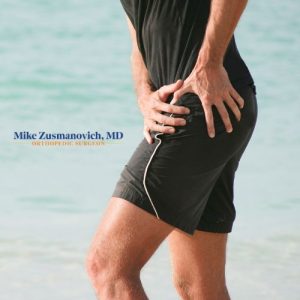
Hip arthroscopy is a newer technique, but it has grown rapidly as the procedure has been refined. Common arthroscopic hip procedures include:
- Labral repair — fixing tears in the cartilage rim of the hip socket
- Femoroacetabular impingement (FAI) correction — reshaping the abnormal bone contact between the ball and socket
- Cartilage repair — addressing damaged cartilage in the hip joint
- Loose body removal — taking out fragments in the joint
- Synovectomy — removing the inflamed joint lining
Hip arthroscopy is particularly transformative for young athletes with FAI and labral tears — conditions that, until relatively recently, were either misdiagnosed entirely or required open surgery with much longer recoveries.
What Are the Advantages of Arthroscopic Surgery?
Compared to traditional open surgery, arthroscopic surgery offers significant benefits for the right patients:
- Smaller incisions — typically a few small portal sites instead of one large incision
- Less tissue damage — surrounding muscles, tendons, and ligaments are largely preserved.
- Less postoperative pain — most patients require fewer narcotic pain medications
- Lower infection risk — smaller incisions mean less exposure.
- Outpatient procedure — patients go home the same day in most cases
- Faster recovery — return to work, daily activities, and sports is usually quicker.
- Better cosmetic outcomes — small scars rather than large surgical scars
- More precise visualization — the magnified camera view often reveals more detail than the naked eye
That said, arthroscopic surgery isn’t the right choice for every condition. Some severe injuries, large rotator cuff tears, advanced arthritis, or complex multi-ligament damage may still require open surgery or joint replacement. A specialist evaluation is the only way to determine the right approach for a given patient.
What Recovery Looks Like
One of the most common questions patients ask is, “How long until I can get back to my life?” The honest answer is that recovery depends on three things: the joint, the specific procedure, and the patient’s overall health, age, and rehabilitation commitment.
Here are general recovery timelines for the most common arthroscopic procedures.
Knee Arthroscopy Recovery
- Day 0–7: Crutches for the first few days, ice, elevation, and gentle range-of-motion exercises. Most patients are off crutches within a week.
- Week 1–2: Begin formal physical therapy. Driving may resume once off pain medications and after being able to perform an emergency stop.
- Week 2–6: Progressive strengthening and range-of-motion work. Desk-work patients often return to work within 1–2 weeks; physical-labor jobs take longer.
- Months 2–4: Return to most daily activities. Light running and athletic drills may begin under PT supervision.
- Months 4–6: Full return to sports for meniscus and cartilage procedures.
- Months 6–9: Full return to high-demand sports after ACL reconstruction (which has a longer overall recovery timeline due to graft healing).
Shoulder Arthroscopy Recovery
- Week 0–2: Sling immobilization to protect the repair. Pendulum exercises and gentle passive motion may begin within days.
- Week 2–6: Continued passive range-of-motion work with a physical therapist. The sling is gradually weaned off depending on the procedure.
- Week 6–12: Active range-of-motion and light strengthening exercises begin. Most desk workers have returned to work; overhead activity remains limited.
- Months 3–4: Progressive strengthening, return to most everyday activities, and beginning sport-specific drills under PT supervision.
- Months 4–6: Return to recreational sports for most procedures.
- Months 6–12: Full return to overhead and contact sports after rotator cuff and labrum repairs.
Rotator cuff repairs typically have longer recovery timelines than simple debridement procedures, since the repaired tendon must fully heal to bone before significant load can be applied.
Hip Arthroscopy Recovery
- Week 0–4: Crutches with partial weight-bearing. Daily home physical therapy exercises to prevent stiffness.
- Week 4–6: Off crutches. Increase activity, begin formal physical therapy.
- Week 6–12: Progressive strengthening, return to low-impact cardio (stationary bike, swimming), gradual return to work.
- Months 3–4: Begin running and athletic drills under PT supervision.
- Months 4–6: Full return to most sports.
- Month 6: Full return to high-impact and pivoting sports for most patients.
Hip arthroscopy recovery is often the slowest of the three because of the deep joint anatomy and the importance of allowing cartilage and labral repairs to fully heal before aggressively loading the joint.
Tips for a Smooth Arthroscopic Recovery
Patients who recover fastest from arthroscopic surgery tend to share certain habits. The biggest factors include:
- Commit to physical therapy. PT is not optional — it’s the difference between a good outcome and a great one. Follow the protocol prescribed by your surgeon and physical therapist.
- Manage pain proactively. Stay ahead of pain in the first 48–72 hours with ice and prescribed medications. Pain control allows better early movement.
- Don’t skip the early range-of-motion work. Even when it feels easier to rest, gentle early movement helps prevent stiffness and scar tissue buildup.
- Don’t return to activity too soon. Feeling “back to normal” at week 4 isn’t the same as having a fully healed joint. Push through rehab milestones, not past them.
- Maintain general health. Nutrition, sleep, hydration, and avoiding nicotine all directly affect healing.
- Communicate with your surgical team. Unusual swelling, fever, increasing pain, or other concerns should always be reported promptly.
Is Arthroscopic Surgery Right for You?
Arthroscopic surgery has changed orthopedic care dramatically over the past three decades, but it’s not the right answer for every joint problem. Conservative treatments like physical therapy, injections, activity modification, and bracing are often the first line of care, and many patients respond well to these without ever needing surgery.
The right approach depends on a thorough evaluation by an orthopedic specialist who can review imaging, perform a focused physical examination, and walk patients through every option from non-operative care to advanced surgical techniques.
Schedule a Consultation with an Orthopedic Specialist in East Setauket
If you’ve been dealing with joint pain — whether in the knee, shoulder, or hip — and want to understand whether arthroscopic surgery might be right for you, the first step is an expert evaluation. Dr. Mike Zusmanovich is a fellowship-trained orthopedic sports medicine surgeon who offers specialized, minimally invasive arthroscopic procedures, with offices serving patients across Suffolk County, including East Setauket.
As a Kerlan-Jobe Institute–trained surgeon with experience as a team physician for the LA Galaxy, LA Angels, Anaheim Ducks, and LA Sparks during his fellowship, Dr. Zusmanovich brings elite-level expertise in arthroscopic and minimally invasive techniques to patients across Long Island — from weekend warriors and high school athletes to active adults who want to get back to the activities they love.
If you’ve been searching for an orthopedic in East Setauket who specializes in arthroscopic surgery, contact Dr. Zusmanovich’s office today to schedule a consultation. A clear diagnosis and an honest discussion of your treatment options are the first steps toward feeling like yourself again.